
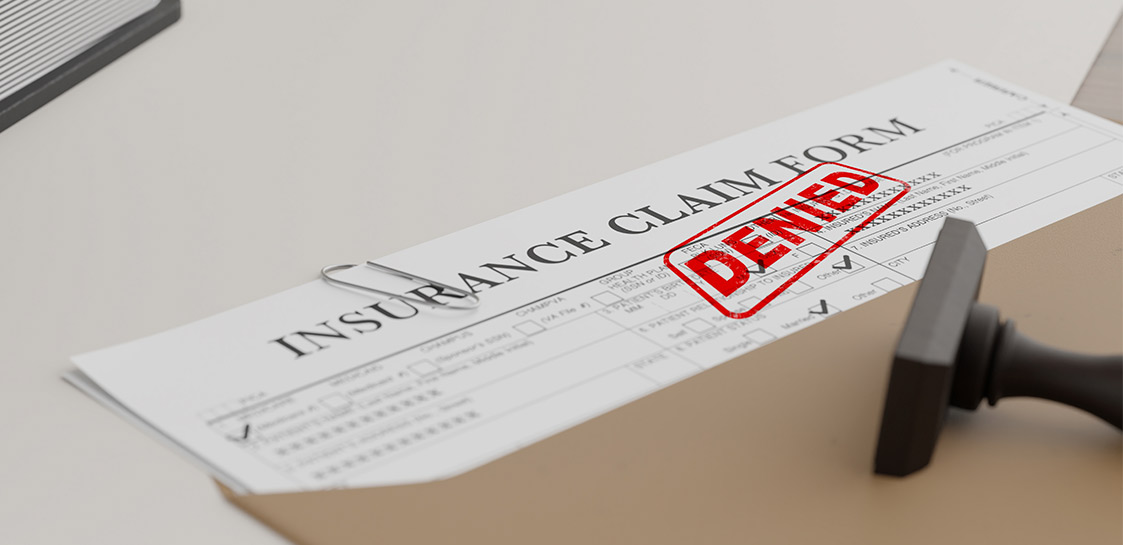
Why Year-End Insurance Claim Denials Require Immediate Attorney Intervention
As December approaches, many Texas homeowners encounter an all-too-familiar frustration: a sudden denial from major insurers like State Farm just as the year comes to a close. These denials often feel abrupt, confusing, and poorly explained. What policyholders don’t see is the financial calendar driving many of these decisions.
Insurance companies operate on annual reporting cycles. As year-end approaches, claim payouts directly affect reserve levels, loss ratios, and executive performance metrics. When claims spike due to storms or regional disasters, insurers often tighten their review process to control payouts before closing the books.
In high-volume years, this pattern becomes even more pronounced. In 2024, nearly 47% of Texas property claims were closed without payment. That number is not the result of improved claim accuracy, it reflects how aggressively insurers limit exposure when financial pressure mounts. For homeowners, the result is a denial letter that doesn’t match the reality of visible damage.
How Year-End Denials Take Shape
 Most denials are not based on a single inspection or one clear policy issue. Instead, they are built gradually through a series of procedural moves that favor the insurer while wearing down the policyholder.
Adjusters working under year-end pressure often rely on a familiar playbook. These tactics are subtle enough to appear routine, yet effective enough to reduce payouts across thousands of claims.
Homeowners frequently encounter the following patterns:
- Escalating documentation requests
Insurers may ask for multiple rounds of photos, contractor estimates, receipts, or expert reports, sometimes long after the initial inspection. Even when documents are submitted, adjusters may claim they are incomplete or insufficient without identifying what is missing. - Extended claim timelines
Inspections are delayed, communications slow down, and follow-ups go unanswered. These delays are not accidental. The longer a claim remains unresolved, the more likely a homeowner is to accept a reduced offer or abandon the claim entirely. - Aggressive exclusion arguments
Policy exclusions may be cited in ways that stretch their intended scope. Damage caused by wind or hail may be reclassified under unrelated exclusions to justify denial. - Wear-and-tear classifications
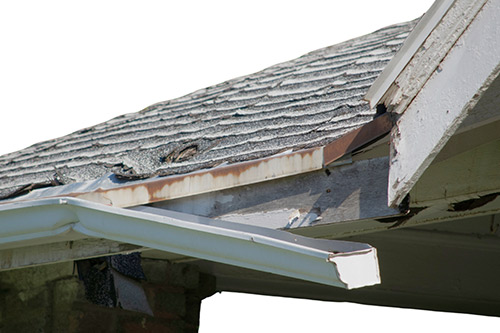
Storm damage is frequently attributed to aging materials, poor maintenance, or pre-existing conditions, even when the damage occurred suddenly and visibly after a covered event.
These practices shift the burden onto homeowners, forcing them to disprove conclusions made by the insurer rather than requiring the insurer to justify its denial.
The Real Impact on Texas Homeowners
A denied claim doesn’t stay on paper. It delays repairs, interrupts daily life, and forces families to make difficult financial decisions. Roof damage leads to leaks. Water intrusion spreads. Temporary fixes become permanent problems.
For many families, year-end denials arrive at the worst possible time. Repair costs compete with holiday expenses, insurance premiums continue to rise, and uncertainty lingers over whether rebuilding can even begin.
The emotional toll is just as real. Homeowners often feel isolated, facing a large insurer with far more resources, legal support, and technical expertise. Without guidance, many assume a denial is final. It is not.
Why Waiting After a Denial Works Against You

Once an insurer like State Farm issues a denial, timing becomes one of the insurer’s strongest allies. Year-end denials often rely on distraction. Holidays, travel, and family obligations delay responses, allowing insurers to solidify their position.
Texas law sets deadlines that protect policyholders, but those protections require action. While most claims are subject to a two-year statute of limitations from the date of loss, policy-specific notice requirements can shorten that timeframe. In addition, insurers must acknowledge claims and begin investigation within 15 calendar days under the Texas Insurance Code, meaning delays can compound quickly.
Evidence also weakens over time. Damage evolves, repairs begin, and conditions change. Insurers are well aware that delayed inspections and extended timelines make it easier to dispute causation later.
Delays after a denial can lead to:
- Lost statutory rights due to missed deadlines
- Physical evidence becoming altered or unavailable
- Insurers locking in favorable year-end accounting outcomes
- Additional property damage with disputed coverage
- Reduced leverage in settlement negotiations
Early legal involvement interrupts these tactics and preserves the homeowner’s position.
What Effective Legal Action Looks Like
Challenging a State Farm denial requires more than filing an appeal. It requires understanding how insurers structure denials and where those decisions break down under scrutiny.
Experienced attorneys approach these cases methodically, building pressure from multiple angles at once.
That process typically includes:
- Independent inspections by qualified specialists who document damage overlooked or minimized by insurer adjusters
- Formal complaints filed with the Texas Department of Insurance to trigger regulatory oversight
- Enforcement of Texas Insurance Code Chapters 541 and 542, which address unfair claim practices and delayed payments
- Detailed pre-suit notice letters outlining statutory violations and damages sought
- Bad faith litigation when insurers deny, delay, or underpay without justification
This approach forces insurers to defend their decisions with evidence, not assumptions, and exposes when exclusions or wear-and-tear arguments are improperly applied.
Proven Results Against Wrongful Denials

When insurers are forced to defend denial decisions in court, outcomes can change dramatically. In one landmark case, attorneys secured a $927,680 judgment against an insurer that wrongfully denied a storm damage claim. The court found the insurer knowingly engaged in unfair and deceptive trade practices.
That result illustrates what happens when denial tactics are examined under legal and evidentiary standards rather than internal claims guidelines.
Why Palker Law Is Equipped to Handle Denials From Insurers Like State Farm
State Farm denial cases require attorneys who understand insurer behavior, not just policy language. Palker Law has built its practice around confronting insurance companies that prioritize profits over policyholders, recovering tens of millions of dollars for Texas homeowners.
Each case is developed with the expectation that the insurer may refuse to cooperate. Inspections are documented, expert opinions are secured, and denial reasoning is challenged point by point. That approach recently led to a $927,680 recovery for a client whose storm damage claim was wrongly denied.
Clients who work with Palker Law benefit from:
- Familiarity with major insurer firms like State Farm’s year-end denial strategies
- Experience dismantling wear-and-tear and exclusion defenses
- A record of success in insurance bad faith litigation
- Contingency-based representation, you pay nothing unless compensation is recovered
- Trial-ready preparation when insurers refuse fair resolution
Take Action Before a Denial Becomes Permanent
A denial letter is not the end of a claim; it is often the beginning of the real fight. Time, evidence, and legal pressure all matter. Waiting allows insurers to strengthen their position while yours weakens.
The attorneys at Palker Law are prepared to challenge unfair insurance decisions and pursue the compensation your policy promised. They offer free, no-obligation consultations and work on a contingency basis, you pay nothing unless compensation is recovered. Whether your claim involves roof damage, water intrusion, or storm-related loss, the firm is prepared to step in and take over communication with the insurer immediately.
Call now and let Palker Law help you challenge an unfair State Farm denial. The attorneys at Palker Law are ready to fight for the coverage you paid for and the recovery your policy allows.