
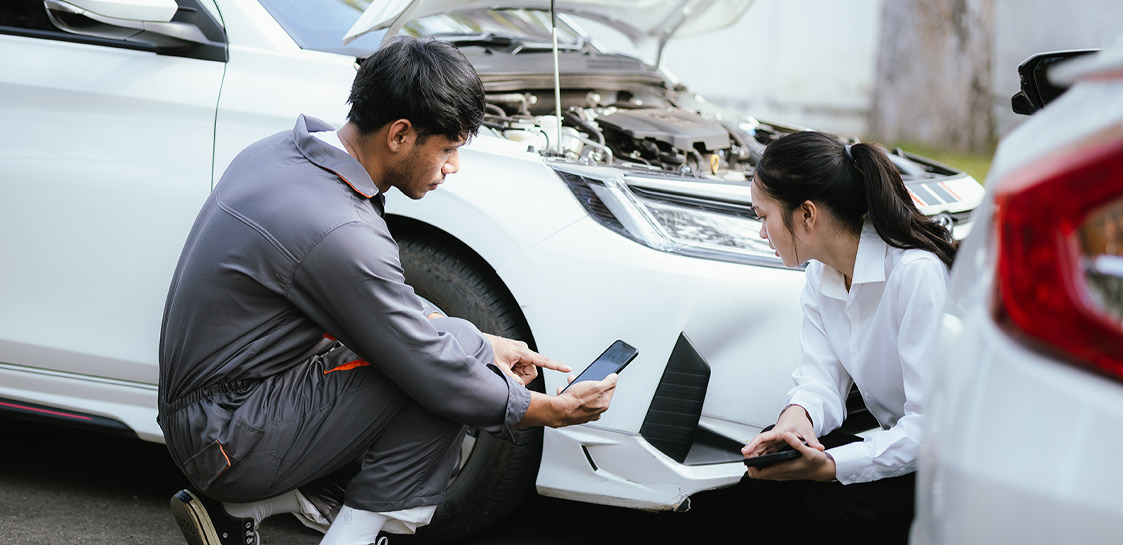
What Evidence to Gather at the Scene of Your Car Accident
A car accident can change everything in a matter of seconds. One moment you are driving to work, picking up your children, or heading home, and the next you are dealing with injuries, damaged vehicles, insurance adjusters, and mounting stress. What many people do not realize is that the steps taken immediately after the crash can have a major impact on the outcome of a claim.
Insurance companies begin building their defense almost immediately. Their adjusters are trained to look for gaps in evidence, inconsistencies in statements, and anything they can use to reduce compensation. That is why gathering strong documentation at the accident scene matters. The evidence collected in the first few minutes and hours after a collision can determine whether you recover fair compensation or end up paying out of pocket for someone else’s negligence.
For anyone searching for experienced auto accident lawyers, understanding what evidence to preserve after a crash is one of the most important steps in protecting a claim. Proper documentation strengthens your case, protects your rights, and gives your legal team the tools needed to hold insurance companies accountable.
Why Evidence Matters After a Car Accident
The evidence gathered after a car accident becomes the foundation of your injury claim. Without it, insurance companies may challenge liability, question your injuries, or dispute the value of your losses.
Here is why strong evidence is so important:
- Immediate action helps preserve facts before conditions change or evidence disappears.
- Thorough documentation makes it harder for insurance companies to deny or undervalue claims.
- Strong evidence helps establish fault and supports your version of events.
- Medical records and accident documentation connect your injuries directly to the collision.
- Witness accounts provide independent support when liability is disputed.
- Detailed records help attorneys negotiate aggressively for full compensation.
The reality is simple: the stronger your evidence, the stronger your claim.
Evidence You Should Gather at the Scene
 The moments after a collision are stressful, but collecting the right information can make a significant difference later. Even if injuries seem minor, preserving evidence immediately can protect your ability to recover compensation for medical expenses, lost wages, property damage, and pain and suffering.
Photograph and Video the Entire Scene
One of the most effective ways to preserve evidence is through photographs and video recordings. Smartphones make it possible to create a detailed visual record before vehicles are moved and debris is cleared away.
Focus on documenting:
| Important Photos to Take | Why They Matter |
| Vehicle damage | Shows the severity and point of impact |
| Position of vehicles | Helps establish how the collision occurred |
| Skid marks | May support braking or speed analysis |
| Traffic signs and signals | Provides roadway context |
| Road conditions | Captures hazards or visibility issues |
| Weather conditions | Documents environmental factors |
| Debris on the roadway | Supports accident reconstruction |
| Visible injuries | Creates immediate documentation of harm |
These images create objective documentation that plays a major role during settlement negotiations or litigation.
Collect Witness Information Immediately
Witnesses often leave quickly after a crash, which is why obtaining their information at the scene is essential. Independent witness statements can become extremely valuable when drivers provide conflicting accounts.
Be sure to gather:
- Full names
- Phone numbers
- Email addresses
- Brief statements about what they observed
Witness testimony may help establish fault in complex car accident cases involving multiple vehicles or disputed liability.
Exchange Driver and Insurance Information
After ensuring everyone is safe, exchange information with all drivers involved in the collision. Missing or incomplete information can delay claims and create unnecessary complications later.
The following documentation should always be collected:
| Information to Exchange | Why It Is Important |
| Driver’s license numbers | Confirms driver identity |
| Insurance policy details | Required for claims |
| License plate numbers | Links vehicles to drivers |
| Phone numbers | Allows future communication |
| Vehicle descriptions | Helps identify involved vehicles |
| Home addresses | Assists attorneys and insurers |
| Dates of birth | Confirms identifying information |
Taking photographs of insurance cards and licenses can help prevent mistakes or missing details.
Request a Police Report
 One of the most important forms of documentation after a car accident is the official police report. Law enforcement officers document the scene, speak with witnesses, record statements, and may include observations regarding fault or traffic violations.
A police report can help:
- Support accident reconstruction
- Establish liability
- Confirm time and location details
- Document roadway conditions
- Strengthen negotiations with insurers
Always request the responding officer’s name, badge number, and report number before leaving the scene. Obtain a copy of the completed report as soon as it becomes available.
Seek Medical Attention Immediately
Many injuries do not show symptoms right away. Adrenaline can mask pain for hours or even days after a collision. Waiting too long to seek medical treatment can seriously damage both your health and your legal claim.
Medical documentation matters because it creates a direct connection between the accident and your injuries.
Common delayed injuries include:
- Concussions
- Whiplash
- Soft tissue injuries
- Back injuries
- Internal bleeding
- Neck injuries
Insurance companies frequently argue that delayed treatment means injuries were not serious. Immediate medical records help eliminate that argument and strengthen your claim.
For individuals searching online for auto accident lawyers, medical records are often one of the first pieces of evidence attorneys review when evaluating a case.
Write Down Your Own Account of the Accident
Memories fade quickly after traumatic events. Writing down your own detailed account while the incident is still fresh can preserve critical details that may later be forgotten.
Include information such as:
- The sequence of events
- Traffic flow
- Road conditions
- Vehicle speeds
- Weather conditions
- Statements made by drivers or witnesses
- Your physical symptoms after the crash
Personal documentation can help your attorney identify inconsistencies in opposing statements and strengthen your overall case strategy.
How Strong Evidence Protects Your Claim
 Insurance companies are not focused on maximizing your recovery. Their priority is limiting payouts and protecting profits. Strong evidence shifts the leverage back in your favor.
Proper documentation can help:
Establish Fault Clearly
Photos, witness statements, police reports, and physical evidence help demonstrate exactly how the collision occurred and who caused it.
Prevent Injury Disputes
Immediate medical records make it more difficult for insurance companies to argue that injuries were unrelated or exaggerated.
Support Full Financial Recovery
Strong evidence helps document every category of damages, including:
| Potential Damages | Examples |
| Medical expenses | Emergency care, surgery, therapy |
| Lost income | Missed work and reduced earning capacity |
| Property damage | Vehicle repairs or replacement |
| Pain and suffering | Physical and emotional distress |
| Future treatment costs | Ongoing medical care |
Comprehensive documentation helps ensure nothing is overlooked during settlement negotiations
Strengthen Court Preparation
When insurance companies refuse fair settlements, experienced attorneys use evidence to build strong trial-ready cases. Detailed documentation demonstrates preparedness and increases negotiation pressure.
Mistakes to Avoid After a Car Accident
 What you avoid doing after a collision can be just as important as the evidence you gather.
Avoid These Common Mistakes
- Do not admit fault at the scene.
- Do not post about the accident on social media.
- Do not delay medical treatment.
- Do not accept quick settlement offers without legal guidance.
- Do not throw away receipts, medical records, or repair estimates.
- Do not speak to insurance adjusters without understanding your rights.
Insurance companies routinely monitor statements, social media activity, and treatment gaps to reduce claim values.
Why Legal Representation Matters
Even with strong evidence, handling a car accident claim alone can be overwhelming. Insurance companies have teams of adjusters and attorneys working to protect their interests from day one.
Experienced attorneys know how to:
- Preserve critical evidence
- Handle insurance negotiations
- Calculate the full value of damages
- Build aggressive legal strategies
- Prepare cases for litigation if necessary
At Palker Law Firm, the focus is on protecting injured Texans and holding insurance companies accountable. The firm has recovered millions for clients and provides contingency-fee representation, meaning clients pay nothing unless compensation is recovered.
If you have been searching for trusted auto accident lawyers near you, having experienced legal representation can make a major difference in the outcome of your case.
Protect Your Rights After a Car Accident
 Texas law limits the amount of time accident victims have to file personal injury claims. Waiting too long can permanently eliminate your right to recover compensation.
The steps taken immediately after a collision matter. Strong evidence, thorough documentation, prompt medical treatment, and experienced legal guidance all work together to protect your claim and maximize your recovery.
If you were injured in a car accident, do not let insurance companies control the narrative or pressure you into accepting less than you deserve. Contact Palker Law Firm today for a free consultation and aggressive representation focused on securing the compensation you need to move forward.