Holiday Travel Accident Prevention and Legal Rights in Texas
If you are driving somewhere for Thanksgiving or another holiday this season, a little planning before you leave can make the trip safer for you and everyone riding with you.
This guide covers the steps you can take before and during your holiday travecl to stay safer behind the wheel. If you are in a car accident anyway, it also explains what to do at the scene, which Texas laws can affect your claim, and when it makes sense to talk with lawyers for auto accident claims.
Plan Before You Leave the Driveway
Most of what keeps you safe on a holiday trip happens before you start the car.
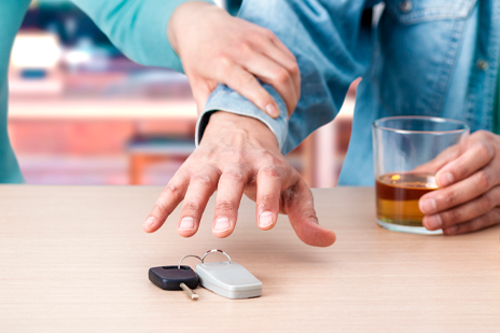
Decide how you are getting home before the first drink
If you plan to drink, choose a sober driver, call a ride, or stay where you are. The TxDOT Texas Road Tips Handbook says never to drive after consuming any amount of alcohol, because even small amounts can affect your judgment and reaction time.
Alcohol is not the only thing that can affect your driving. The National Highway Traffic Safety Administration (NHTSA) tells drivers to check prescription and over-the-counter medicine labels for drowsiness as a side effect. If a medicine makes you drowsy, NHTSA suggests using public transportation when you can.
Get your vehicle ready
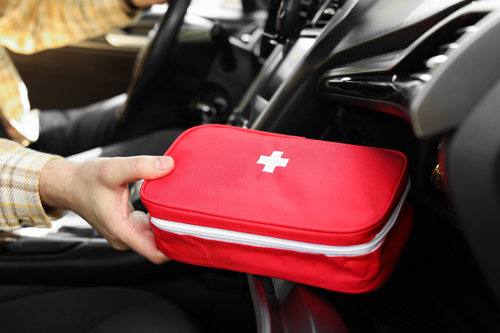
The Texas Department of Public Safety (DPS) recommends checking the oil, wipers, brakes, tires, and lights before a trip, and fueling up before long stretches of travel. It also suggests keeping an emergency kit in the car. DPS’s list includes:
- Drinking water and snacks that won’t spoil
- A first-aid kit
- A flashlight with spare batteries
- Jumper cables or a portable battery charger
- A properly inflated spare tire and tools to change it
- A portable phone charger
- A paper map or printed directions
Rest before a long drive
TxDOT’s handbook says to get plenty of rest before a trip and to avoid driving between midnight and 6 a.m. when you can. NHTSA says drowsy-driving crashes happen most often between midnight and 6 a.m. or in the late afternoon.
Tell someone your route
The DPS travel tips page advises you to tell a friend or family member which route you are taking and when you expect to arrive.
Stay Alert on the Road
Once you are driving, the biggest risks are crowded roads, roads you don’t know, tired drivers, and distractions.
Slow down in heavy traffic and unfamiliar areas
DPS asks drivers to slow down in bad weather, heavy traffic, unfamiliar areas, and construction zones. TxDOT’s handbook adds a few habits that can also help:
- Plan ahead and allow time for delays, and keep your focus on your own driving to avoid road rage.
- Keep a safe gap behind the vehicle ahead of you, and leave more room in bad weather.
- Slow down in rain or fog, avoid flooded roads and low areas, and never drive through swift water.
- Follow posted work zone speed limits and don’t tailgate. TxDOT says rear-end collisions are the most common type of work zone crash. (If you were hurt in one, read about construction zone injuries and your legal rights.)
- Check weather and road conditions along your route. DPS points drivers to DriveTexas for road closures.
- On multi-lane roads, use the left lane for passing only.
Share the road with large trucks
TxDOT’s handbook warns that trucks have large blind spots, so leave extra room behind them. DPS adds that you should not cut in front of a large truck or brake suddenly in front of one. Crashes with 18-wheelers often involve federal safety rules, which is why commercial truck accident claims work differently from ordinary car crashes.
Put the phone down
DPS tells drivers to eliminate distractions, including mobile devices. According to TxDOT’s texting and cellphone laws page, you cannot send or receive electronic messages while driving in Texas, and some cities ban all cellphone use while driving.
Move over for stopped emergency and service vehicles
Under Texas’s Move Over or Slow Down law, you must move over a lane or slow to 20 mph below the posted speed limit when you approach a vehicle on the side of the road with its overhead lights on. That includes law enforcement, tow trucks, utility vehicles, municipal waste trucks, emergency responders, TxDOT vehicles, and, since Sept. 1, 2025, vehicles driven by animal control officers and parking enforcement employees. A first offense can bring a fine of up to $1,250.
Know the signs of fatigue
TxDOT’s handbook says to stop every two hours to stretch and rest for 15 to 20 minutes. Pull over if your eyes close, your thoughts wander, or you drift between lanes. NHTSA warns that coffee or energy drinks alone are not always enough, and that you may be less alert than you feel.
Watch for deer
According to TxDOT, deer are most active in the fall, especially from October through December, which is their breeding season. They move most in the early morning and late evening, and you can meet one almost anywhere in Texas, not just in rural areas. To lower your risk, TxDOT recommends:
- Slowing down if you see a deer near the edge of the road, because deer seldom run alone.
- Using your high beams at night when no one is coming toward you.
- Braking firmly and staying in your lane. TxDOT says many serious crashes happen when drivers swerve to avoid a deer.
- If you hit a deer: do not touch the animal, move your car off the road, call 911, and stay in your vehicle.
What Should You Do After a Car Accident in Texas?
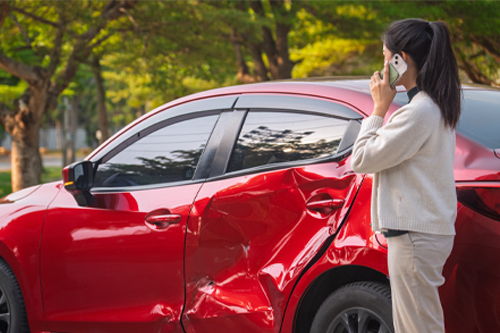
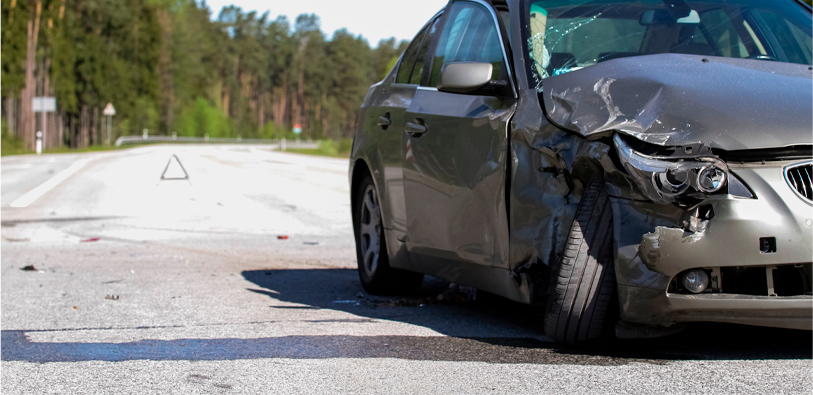
You can do everything right and still be in a crash. If it happens, these steps from TxDOT and DPS help you stay safe and keep the details you may need later:
- Check for injuries first. Take care of anyone who is hurt before anything else.
- Call the police when you need to. TxDOT’s handbook says to call if someone is injured, if a vehicle can’t be moved, or if a driver leaves the scene.
- Move your vehicle out of traffic if it is safe to do so. DPS calls this “Steer It, Clear It.” If no one is injured and your vehicle can be moved, get it out of the lanes.
- Exchange information. Get the other driver’s name, contact details, insurance information, and license information. Get contact details from any witnesses too.
- Document the scene. TxDOT’s handbook suggests taking photos if it is safe and writing down the details. It includes a form for recording them. For more detail, see our guide to gathering evidence at a car accident scene.
What Are Your Legal Rights After a Car Accident in Texas?
A few Texas laws can affect your claim after a crash. A personal injury lawyer can explain how they apply to your situation.
The other driver must share information and help
Under Chapter 550 of the Texas Transportation Code, the driver of a vehicle involved in a collision that injures or kills a person, or damages a vehicle that someone is driving or attending, must give certain information to the people involved and provide reasonable help to anyone who is injured. That is why step 4 above matters.
You have two years to file
Under Section 16.003 of the Texas Civil Practice and Remedies Code, a personal injury lawsuit generally must be filed no later than two years after the day the cause of action accrues, with some exceptions. A lawyer can tell you when that clock started in your case, and our Texas personal injury case timeline shows what usually happens after you file. If a loved one dies in a crash, a suit for an injury resulting in death must also be filed within two years, counted from the date of death, so the same urgency applies to a wrongful death claim.
Your share of the blame matters
Under Chapter 33 of the Texas Civil Practice and Remedies Code, you cannot recover damages if your percentage of responsibility is greater than 50 percent. If you are found 50 percent or less responsible, you can still recover, but the court reduces your damages by your percentage.
When to Talk to Lawyers for Auto Accident Claims

After a crash, you may be dealing with injuries, vehicle repairs, and insurance paperwork all at once. Insurers may also raise questions about your medical history; our guide on how pre-existing conditions affect a Texas injury claim explains what to expect.
Experienced car accident lawyers can explain your options before you decide how to move forward. Palker Law Firm helps people across Texas, with a special focus on South Texas communities such as Edinburg, McAllen, Harlingen, and Brownsville. Talking with a lawyer early can give you a clearer picture of where you stand while the details are still fresh. For more guides, visit the Palker Law blog.
Frequently Asked Questions
How long do I have to file a car accident lawsuit in Texas?
Generally, two years from the day the cause of action accrues under Section 16.003 of the Texas Civil Practice and Remedies Code. Wrongful death claims must also be filed within two years, counted from the date of death. Some exceptions apply, so ask a lawyer about your case.
Can I recover damages if I was partly at fault for the crash?
Yes, as long as you are found 50 percent or less responsible. Your damages are reduced by your percentage of responsibility. If you are more than 50 percent responsible, you cannot recover.
When should I call the police after a car accident in Texas?
TxDOT advises calling the police if someone is injured, if a vehicle can’t be moved, or if a driver leaves the scene.
What is the Move Over or Slow Down law in Texas?
When you approach a vehicle stopped on the roadside with its lights on, you must move over a lane or slow to 20 mph below the posted speed limit. A first offense can bring a fine of up to $1,250.
Arrive for the Turkey, Not the Tow Truck
A safe holiday trip in Texas starts before you turn the key. Plan a sober ride before the first drink, get your vehicle and your rest in order, slow down in heavy traffic and unfamiliar places, and keep your phone out of your hands. If a crash happens anyway, check for injuries, call the police when you need to, document the scene, and remember that Texas gives you only two years to file most injury claims.
If you have questions about your options after a car accident or another personal injury, and get a free consultation with Palker Law Firm.
This post is general information, not legal advice, and reading it does not create an attorney-client relationship.