
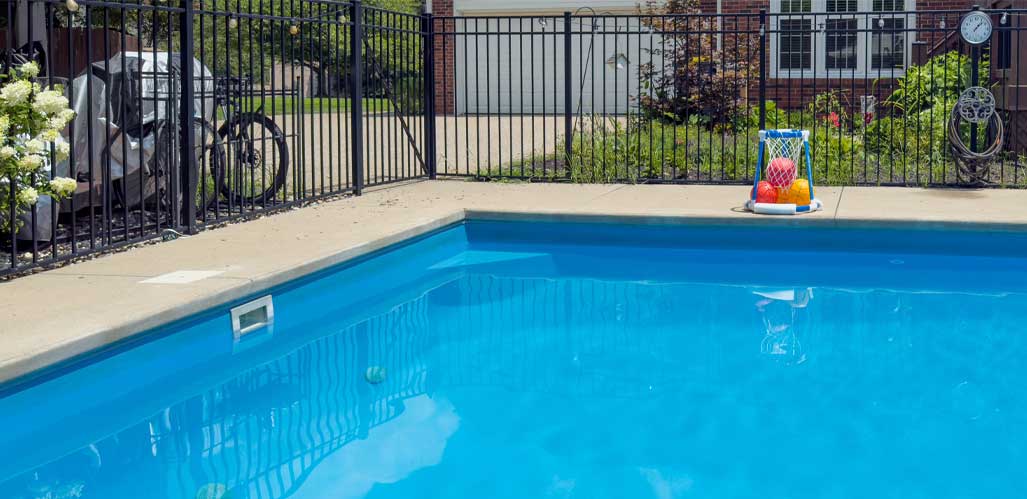
Property Owner Liability for Pool Accidents in Texas
Texas summers bring families, friends, and neighbors together around pools. But when a pool accident causes serious injuries or a tragic loss, one important question often follows: Can the property owner be held responsible?
In many situations, the answer may be yes. Texas property owners have a legal duty to keep their premises reasonably safe for people who are allowed to be there. When unsafe pool conditions, inadequate supervision, broken safety equipment, or poor maintenance contribute to an injury, the owner, operator, or other responsible party could be liable under Texas premises liability law.
If you or someone you love was hurt in a pool accident, understanding your rights can help you make informed decisions. The experienced team at Palker Law Firm helps injured Texans evaluate their options and fight for the compensation they may deserve.
What Is Premises Liability?
Premises liability is an area of personal injury law that holds property owners and occupiers accountable when dangerous conditions on their property cause harm. These cases can arise at private homes, apartment complexes, hotels, resorts, public pools, fitness centers, water parks, and other properties where pools are available.
A property owner is not automatically responsible for every pool accident. However, liability may arise when the owner knew, or reasonably should have known, about an unsafe condition and failed to take reasonable steps to correct it or warn visitors about it.
For example, a pool owner may have a responsibility to address hazards such as:
- A broken or missing pool gate
- Lack of a self-closing or self-latching gate
- Missing or unclear depth markers
- Broken ladders, diving boards, drains, or pool lights
- Slippery walkways with no warning signs
- Inadequate fencing around the pool area
- Failure to maintain pool chemicals or water quality
- Poor lighting near the pool, deck, or steps
- Failure to provide appropriate supervision where it is expected
Every case depends on the facts. That is why it is important to speak with premises liability attorneys who can investigate what happened, identify the responsible parties, and explain the legal options available.
When Could a Property Owner Be Liable for a Pool Accident?
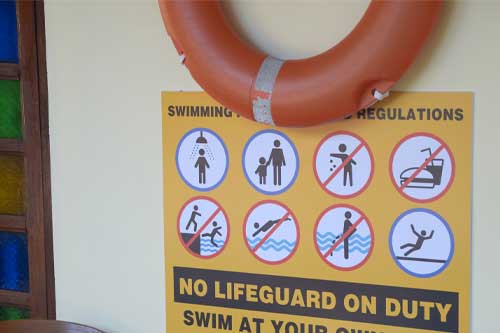
Property owner liability often depends on the relationship between the injured person and the property. Texas law generally recognizes different duties depending on whether someone was invited onto the property, had permission to be there, or entered without permission.
Invitees
An invitee is someone who enters property for the owner’s benefit or for a shared business purpose. Guests at a hotel pool, residents using an apartment complex pool, customers at a fitness center, and patrons at a water park may fall into this category.
Owners generally owe invitees a duty to use reasonable care to inspect for dangerous conditions, repair hazards, or provide adequate warnings. If an apartment complex knew a pool gate would not lock and failed to fix it, for instance, that failure could become central to a premises liability claim.
Social Guests and Licensees
A social guest at a private home may have permission to be there but may not be considered an invitee. Property owners still may have a duty to warn guests about dangerous conditions the owner knows about and the guest is unlikely to discover independently.
For example, if a homeowner knows that a pool’s underwater light creates an electrical hazard or that a diving board is unstable, failing to warn a guest could create legal consequences if an injury occurs.
Trespassers and Children
In general, property owners owe fewer duties to trespassers. However, pools can present special risks to children. Under Texas law, a landowner may be responsible for injuries to a child caused by a highly dangerous artificial condition when the owner knew or should have known children were likely to enter the property, the condition posed an unreasonable risk of serious harm, and reasonable protections were not taken. The state’s premises-liability statute specifically addresses this principle in connection with child trespassers and dangerous artificial conditions.
A pool without secure fencing, functional gates, or other reasonable barriers may raise serious questions after a child drowning or near-drowning accident.
Common Causes of Texas Pool Accidents
A pool accident can happen in seconds, but the consequences can last a lifetime. Some injuries result from ordinary accidents, while others may be linked to negligent property maintenance or operation.
Common pool-related incidents include:
- Drownings and near-drownings
- Slip-and-fall injuries on wet decks or walkways
- Diving accidents that cause spinal cord or brain injuries
- Injuries from defective drains or suction entrapment
- Electrocution from faulty pool lights, wiring, or equipment
- Injuries caused by broken ladders, rails, tiles, or diving boards
- Chemical burns or respiratory injuries from improper pool maintenance
- Accidents caused by a lack of required safety barriers or supervision
A near-drowning can be especially devastating. Even when a person survives, oxygen deprivation can lead to permanent neurological injuries, extensive medical treatment, rehabilitation needs, and long-term care costs.
Evidence Can Make a Difference
 After a pool accident, evidence can disappear quickly. Water conditions may change, equipment may be repaired, security footage can be deleted, and witnesses may forget key details. Taking action promptly can help preserve information that may be important to your claim.
Useful evidence can include:
- Photos and videos of the pool, fencing, gates, signs, and surrounding area
- Incident reports from a hotel, apartment complex, gym, or other facility
- Security-camera footage
- Witness names and contact information
- Medical records and bills
- Pool inspection, maintenance, and repair records
- Prior complaints about the same hazard
- Documentation of lost income and other financial losses
A knowledgeable attorney can conduct an investigation, obtain records, and determine whether a property owner, management company, maintenance contractor, pool service provider, or another party may share responsibility.
What Compensation May Be Available?
The value of a pool accident claim depends on the severity of the injuries, the available evidence, insurance coverage, and many other facts. Compensation may include damages for:
- Emergency treatment, hospital care, and future medical expenses
- Rehabilitation, therapy, and in-home care
- Lost wages and reduced earning ability
- Physical pain and emotional suffering
- Scarring, disfigurement, or disability
- Loss of enjoyment of life
- Wrongful death damages for surviving family members, when applicable
Texas recognizes that serious injuries affect far more than a person’s finances. Pain, trauma, emotional distress, and the disruption to everyday life may all be relevant in an injury claim.
Questions About a Pool Accident? Speak With a Texas Premises Liability Attorney

Insurance companies may move quickly after an accident, often looking for ways to minimize what they pay. They may argue that the injured person was at fault, that the danger was obvious, or that the property owner had no notice of the hazard. Do not assume their first explanation or settlement offer tells the full story.
Questions about a pool accident, premises liability, or a property owner’s responsibility deserve accurate legal guidance based on the specific facts of your case. At Palker Law Firm, our team represents Texans facing serious personal injury matters and understands the pressure that follows a preventable accident. Whether your injury occurred at a residence, apartment complex, commercial property, or another location, we are prepared to review what happened.
Choosing the right legal team matters. If you or a loved one has been injured in a Texas pool accident, don’t wait to get answers. Contact Palker Law Firm for a free case review. We can listen to your story, explain your options, and help you understand the next steps.