
Back to School Traffic Accidents Near Texas Schools: What to do now
When Texas families return to their school-year routines, the roads around campuses change overnight. Morning drop-offs, afternoon pickups, school buses, teen drivers, crossing guards, cyclists, and children on foot all share a small area in a short window of time. That makes the back-to-school season a reminder for drivers to slow down, stay alert, and take every school-zone rule seriously.
Unfortunately, a car accident near a school can happen in seconds. A distracted driver may miss a crosswalk. A rushed parent may turn without seeing a pedestrian. A rear-end collision may occur in a crowded pickup line. When a child, parent, pedestrian, or driver is injured, the consequences can include medical treatment, missed work, emotional distress, and uncertainty about what comes next.
If you or your child has been hurt near a Texas school, the steps you take immediately can protect both your health and your ability to pursue a claim. This guide explains what to do, what evidence matters, and why speaking with a local Texas lawyer for car accident cases can make a difference.
Why Back-to-School Traffic Creates More Risk in Texas
 When school starts, Texas roads become busier with school buses, parents, pedestrians, bicyclists, and teen drivers. Morning drop-off and afternoon pickup can create sudden stops, crowded intersections, and increased risks of crashes.
In South Texas and the Rio Grande Valley, including McAllen, Mission, Edinburg, and Pharr, drivers may encounter heavy traffic around school entrances, residential streets, and busy intersections.
Common causes of school-zone accidents include:
- Speeding or failing to slow down in school zones
- Distracted driving, including phone use
- Failing to yield to pedestrians
- Unsafe turns near crosswalks and school entrances
- Following too closely in pickup lines
- Passing a stopped school bus, which is prohibited under Texas Transportation Code §545.066
- Inexperienced teen drivers
The Texas Department of Transportation recommends slowing down, staying alert, and following school-zone traffic laws.
Children can be difficult to see around parked vehicles and may not always anticipate traffic. If a back-to-school traffic accident in Texas occurs, documenting the crash and speaking with a local Texas car accident lawyer can help you understand your legal options.
What Should You Do After a School Zone Car Accident?
First, take a breath and stay calm. Check if you and others are okay, and call 911 if anyone is injured. If it is safe, document the accident, exchange information, and take photos of the scene.
If you are okay, contact a local Texas car accident lawyer for guidance as soon as possible.
1. Call 911 and seek medical attention
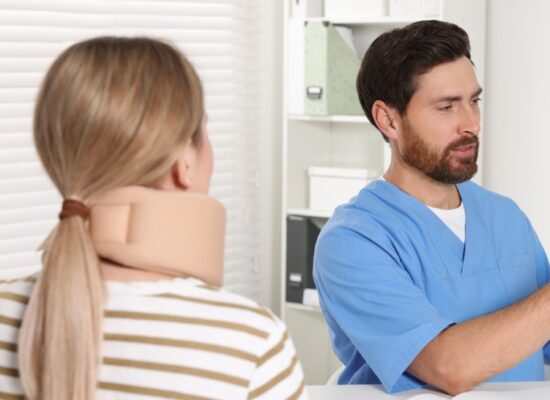
If anyone is hurt, call 911 immediately. Do not assume an injury is minor simply because there is no visible wound. Head injuries, soft-tissue injuries, neck pain, and internal injuries may not be obvious right away. Knowing what to do immediately after an injury in Texas is important because prompt medical care not only protects your health but also creates valuable documentation that helps establish the connection between the accident and the injuries that follow.
2. Report the accident

Ask law enforcement to respond and create an official report. In a school-zone crash, details such as the location of the collision, traffic signs, roadway conditions, witness statements, and involved vehicles can matter. Request the responding officer’s name, badge number, and report number when possible.
If the accident occurred on or immediately next to school property, notify the appropriate school office as well. A school or district may have relevant incident records, surveillance footage, or staff members who witnessed the event.
3. Document the scene when it is safe
Photos and videos can disappear from a case if they are not preserved early. If you are able, document vehicle damage, the positions of vehicles, crosswalks, school-zone signs, traffic lights, skid marks, weather conditions, and any visible injuries.
Also collect names and contact information for witnesses, including other parents, school staff, crossing guards, or nearby drivers. A detailed record can be invaluable when accounts of the crash conflict.
4. Exchange information without arguing about fault
Exchange insurance and contact information with the other driver, but do not argue about responsibility or make statements that could be interpreted as accepting blame. A car accident can involve more than one contributing factor, and the full picture may not be clear at the scene.
Keep your comments factual. Then write down what you remember as soon as you can: where you were coming from, what you saw, the direction of travel, traffic conditions, and any comments made by the other driver or witnesses.
5. Be careful with insurance company communications
Insurance adjusters may contact you soon after a car accident, and although their questions may seem routine, statements made early in the claims process can affect how your case is handled. Before accepting a settlement or providing a recorded statement, consider obtaining legal guidance about your situation.
A fair recovery may involve more than immediate repair costs and, depending on the circumstances, may include medical expenses, ongoing treatment, lost income, property damage, and pain and suffering. How Texas courts calculate pain and suffering compensation depends on factors such as the severity of the injuries, their impact on daily life, and the evidence supporting the claim.
Questions About School-Zone Car Accidents

Can I bring a claim if my child was injured near a school?
Potentially, yes. Every case depends on the facts: how the crash occurred, who was involved, what evidence exists, and the nature of the injuries. A claim may involve a driver, an insurance company, or, in some situations, other parties. Because cases involving minors can have additional considerations, it is important to speak with an attorney promptly rather than relying on assumptions.
What if the accident happened in a pickup or drop-off line?
Pickup lines often involve closely spaced vehicles, pedestrians, backing movements, and limited visibility. Liability may be disputed, which makes photos, witness information, police reports, and possible video evidence especially important. Do not delay in preserving those records.
How long do I have to take action after a Texas car accident?
Texas deadlines can apply to personal injury claims, but the exact timeline may vary based on the circumstances. Waiting can make it harder to locate witnesses and preserve evidence. Palker Law Firm notes that acting early helps protect a claim and gives a legal team time to assess the facts.
Do I need the best lawyer for car accident cases after a school-zone crash?
Not every accident requires legal representation, but it is wise to obtain a case evaluation when injuries are serious, fault is disputed, a child was injured, multiple vehicles were involved, or an insurer offers a quick settlement. An experienced car accident attorney can investigate the crash, preserve evidence, communicate with insurers, and explain the options available to your family.
Get Accurate Legal Guidance After a Back-to-School Accident
Back-to-school routines should be about learning, connection, and new opportunities, not preventable injuries. If you or your child was harmed in a car accident near a Texas school, do not let an insurance company control the narrative before you understand your rights.
For direct guidance after a school-zone car accident, contact Palker Law Firm today.