
Heat-Related Car Accidents on Texas Roads During Summer
Summer in Texas brings soaring temperatures, crowded highways, and an increased risk of serious car accidents. At Palker Law Firm, our experienced car accident lawyers understand how extreme heat can contribute to dangerous driving conditions, from tire blowouts and brake failures to overheated engines and driver fatigue.
If you’ve been injured in a heat-related collision, taking the right steps afterward can make a significant difference in protecting your health, your rights, and your financial recovery. Knowing what to do—and when to seek experienced legal guidance—can help you move forward with confidence.
How Summer Heat Raises the Risk of Car Accidents
Research has linked hotter days to an increase in car crashes and traffic fatalities, as high temperatures affect both vehicle performance and driver behavior. Heat exposure can impair concentration, slow reaction times, and increase fatigue, all of which can raise crash risk.
Dangers are magnified on Texas highways: high speeds, heavy traffic, long stretches of rural road, and extreme temperatures combine into a hazardous mix, especially around busy travel periods like summer holidays and school breaks.
Tire Blowouts in Extreme Heat
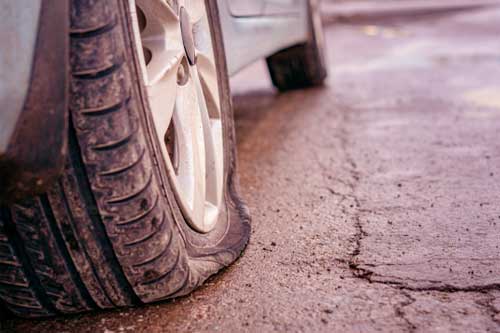
Tire blowouts are one of the most common and frightening heat-related hazards. As temperatures rise, the air inside your tires expands. If a tire is already underinflated, worn, overloaded, or damaged, the added pressure from heat can cause a sudden failure at highway speed.
On a crowded Texas freeway, a tire blowout can lead to:
- Loss of control and rollover crashes
- Multi-vehicle pileups when nearby drivers swerve or brake suddenly
- Secondary collisions when disabled vehicles remain in travel lanes
These crashes are often severe, and proving exactly what caused a blowout- poor maintenance, a defective tire, excessive speed, or a combination- can be instrumental to any injury claim.
Heat-Stressed Drivers
Heat doesn’t just affect your car; it affects you. High temperatures can lead to dehydration, drowsiness, reduced alertness, and slower reaction times, especially on long drives. Studies have documented how heat strain can impair both physical and cognitive performance.
On a Texas summer afternoon, that can mean:
- Missing a slowing vehicle ahead
- Misjudging the following distances
- Reacting too slowly to a tire failure or sudden hazard
- Failing to notice early warning signs like low tire pressure or steam from the hood
Heat also poses a serious risk inside parked vehicles; temperatures can climb rapidly, putting children and pets in grave danger, even in a short period of time.
Common Heat-Related Crash Scenarios on Texas Roads
Every crash is unique, but certain patterns show up repeatedly in Texas summer accident claims:
- Tire Blowout on the Highway
A driver traveling at interstate speeds suffers a sudden tire blowout. They overcorrect or panic-brake, crossing lanes or rolling over. Vehicles behind them have little time to react. - Disabled Vehicle in a Travel Lane
Overheated engines or blowouts leave vehicles stranded in active lanes, especially at night or in construction zones. Other drivers may collide with the disabled vehicle or swerve into adjacent lanes. - Chain-Reaction Rear-End Collisions
Heat-related mechanical trouble or slowed traffic leads to sudden braking. Distracted or heat-fatigued drivers behind fail to stop in time, causing multi-car pileups. - Tourist and Holiday Traffic Crashes
Summer vacations and holiday weekends bring more out-of-town drivers unfamiliar with Texas roads and extreme temperatures, increasing collision risks. In each of these scenarios, a thorough investigation by experienced car accident injury attorneys can help determine whether negligence, rather than “just the heat”, was the true cause of the crash.
What to Do After a Summer Heat-Related Car Accident
If you’re involved in a crash during Texas’s summer heat, your first steps can protect both your health and your legal rights.
- Get to Safety, but Don’t Ignore the Heat
- If possible, move vehicles out of active lanes without creating more danger.
- Be mindful of heat exposure; if you must wait outside, seek shade and stay hydrated.
- Call 911
Report injuries, vehicle positions, and any signs of fire or hazardous conditions. A police report often becomes an important piece of evidence in a later claim. - Document the Scene and the Heat-Related Factors
Evidence can disappear quickly after a crash. Texas injury resources emphasize gathering information as soon as it’s safe to do so.
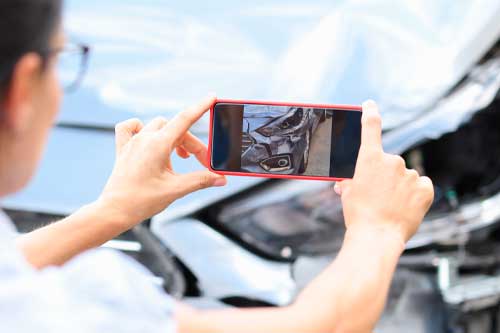
Consider:- Photos of tire damage, skid marks, and road conditions
- Dashboard warnings (tire pressure, engine temperature)
- Weather and visibility conditions
- Contact information for witnesses
- Name, badge number, and agency of responding officers
- Get Medical Care Right Away
Some injuries are not immediately visible, like concussions, internal bleeding, and soft tissue damage. Prompt medical treatment protects your health and creates a medical record linking your injuries to the crash. - Be Cautious with Insurance Communications
Notify your insurer, but understand that adjusters work to limit payouts. Insurers sometimes try to blame “weather” instead of negligent drivers or companies, or use tactics that may border on bad faith if they unreasonably delay or deny valid claims.
Before giving detailed or recorded statements, especially if you’re seriously injured, consider speaking with an attorney who understands heat-related Texas crashes.
Your Legal Rights After a Heat-Related Car Accident
Many people assume that if heat contributed to a crash, no one can be held responsible. That’s not necessarily true. Even when the weather is a factor, another party’s negligence may still be the primary cause of your injuries.
Potentially responsible parties can include:
- Negligent Drivers
- Speeding or tailgating in extreme heat
- Driving on visibly worn or bald tires
- Overloading personal vehicles or trailers
- Ignoring warning signs like vibration or low tire pressure
- Commercial Carriers
- Failing to inspect and maintain tires and brakes on trucks or buses
- Forcing drivers to operate in unsafe conditions or with overweight loads
- Manufacturers or Retailers
- Selling defective tires or parts that fail under normal Texas summer conditions
- Government Entities or Contractors
- Neglecting road maintenance, leading to potholes, rutting, or other conditions that make heat-related failures more likely
If another party’s negligence contributed to the crash, you may be entitled to compensation for medical bills, lost wages, pain and suffering, property damage, and other losses. Proving liability often requires prompt investigation, expert analysis of tires and vehicle systems, and a firm grasp of Texas negligence law, all areas where experienced car accident injury attorneys can make a significant difference.
Talk to Palker Law About Your Heat-Related Car Accident

Heat-related crashes on Texas roads are complex. They often involve a mix of weather, mechanical failure, and human error, and insurers may try to use that complexity against you. You don’t have to sort it out alone.
Palker Law represents people injured in Texas car accidents, including summer crashes involving tire blowouts, overheating vehicles, and other heat-related hazards.
The firm can:
- Investigate the cause of the crash, including tire and vehicle issues
- Work with experts to reconstruct what happened
- Handle communications and negotiations with insurance companies
- Pursue full and fair compensation through settlement or litigation
If you have questions about a car accident, summer heat, or a tire blowout that left you or a loved one injured, contact Palker Law for accurate, case-specific legal guidance. A consultation can help you understand your options, your rights, and the next steps toward recovery.
FAQ About Car Accidents, Summer Heat, and Tire Blowouts
How can I tell whether summer heat contributed to my accident?
Heat-related accidents are not always obvious. Signs that extreme temperatures may have played a role include tire blowouts, tread separation, overheating engines, brake problems, or mechanical failures that occurred during periods of excessive heat. Investigating maintenance records, tire condition, weather data, vehicle inspections, and crash reports can help determine whether heat contributed to the accident or whether another factor, such as poor maintenance, a defective part, or driver negligence, was involved. An experienced attorney can work with experts to identify the true cause of the crash and determine who may be liable.
Does extreme heat mean no one is at fault for my crash?
Not automatically. While heat may contribute to a tire blowout or mechanical failure, drivers and companies still have a duty to maintain their vehicles and drive safely for the conditions. Neglecting that duty can still be negligence under Texas law.
What if my insurance company says it was just “an act of God”?
Insurers sometimes try to shift blame to weather or unavoidable events to minimize payouts. If your insurer ignores evidence of negligence, misrepresents policy terms, or unreasonably delays or denies your claim, those may be signs of bad faith practices. An attorney can review your situation and your policy.
Do I really need a lawyer after a summer heat-related crash?
For minor property-damage-only incidents, you may be able to resolve things directly with insurers. But if you’re dealing with serious injuries, disputed fault, commercial vehicles, or questions about how heat and tire issues caused the crash, speaking with car accident injury attorneys can protect you from costly mistakes and lowball offers.
If you or a loved one has been injured in a heat-related car accident, the experienced car accident lawyers at Palker Law Firm are ready to protect your rights and fight for the compensation you deserve. Contact us today for a free consultation.