
Hurricane Season Preparation and Your Insurance Rights in Texas
Hurricane season is a fact of life in Texas. Every year, homeowners and business owners prepare for the possibility of severe storms, high winds, flooding, and extensive property damage. Most people focus on physical preparations such as stocking supplies, securing outdoor items, and protecting windows.
Just as important is preparing for what happens after the storm.
Understanding your insurance coverage and your rights as a policyholder before hurricane season arrives can make a significant difference if you need to file a claim. Many property owners discover coverage limitations, exclusions, or claim disputes only after damage has already occurred. By then, valuable time has been lost.
At Palker Law, we regularly help Texas homeowners and business owners navigate storm damage claims and insurance disputes. Taking proactive steps now can help protect both your property and your financial recovery later.
Hurricane Preparation Should Include Insurance Planning
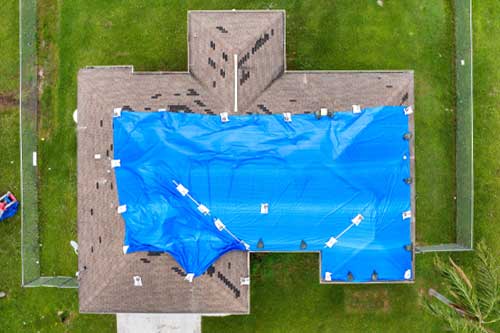 Storm preparation is about more than protecting your property from wind and rain. It is also about protecting your ability to recover financially after a loss.
A major hurricane can cause:
- Roof and structural damage
- Broken windows and wind-driven rain intrusion
- Damage to walls, ceilings, flooring, and personal property
- Fallen trees and debris impacts
- Business interruption and lost revenue
- Extensive repair and rebuilding costs
When damage occurs, your recovery often depends on how your insurance company responds to your claim. Understanding your policy before a storm arrives can help you avoid many of the mistakes that commonly create problems for policyholders.
Without a clear understanding of your coverage, you may:
- Discover important gaps in your policy after the loss occurs
- Accept a settlement that does not fully cover repairs
- Missed important documentation requirements
- Fail to recognize when an insurance company is acting improperly
Insurance preparation is one of the most important parts of hurricane readiness.
Review Your Coverage Before Hurricane Season Peaks
Many property owners do not read their insurance policies until they need to file a claim. Unfortunately, that is often when costly surprises emerge.
Understand What Storm Damage Is Covered
 Most Texas property insurance policies provide coverage for:
- The primary structure of your home or commercial building
- Detached structures such as fences, garages, and sheds
- Personal property and business contents
- Additional living expenses if your home becomes temporarily uninhabitable
- Business interruption losses under qualifying commercial policies
One of the most important distinctions involves wind damage and flood damage.
Wind-related damage is often covered under standard property insurance policies. Flood damage, including rising water and storm surge, is typically excluded unless separate flood coverage has been purchased. This issue frequently becomes a point of dispute after major storms.
If you are unsure what your policy covers, reviewing it before hurricane season can help identify potential gaps.
Know Your Hurricane Deductible
Many Texas policies contain special deductibles that apply specifically to hurricanes, named storms, or windstorm events.
Unlike standard deductibles, these are often calculated as a percentage of your insured value.
For example, a home insured for $400,000 with a 2% hurricane deductible would require the homeowner to pay the first $8,000 of covered damage before insurance benefits apply.
Before hurricane season, determine:
- Whether your policy contains a hurricane or windstorm deductible
- What events trigger the deductible
- Whether the amount is financially manageable
Understanding these numbers now can prevent surprises after a storm.
Watch for Policy Exclusions and Limitations
Certain policy provisions can significantly affect the amount you recover after a hurricane.
Examples include:
- Roof coverage limitations
- Actual cash value provisions
- Cosmetic damage exclusions
- Restrictions on older roofing systems
- Requirements regarding temporary repairs and mitigation
These provisions can have a major impact on your claim value. Reviewing them before a storm arrives gives you time to address concerns and understand your potential exposure.
Understanding Your Insurance Rights in Texas

Texas law provides important protections for policyholders dealing with storm damage claims, but you need to know how to use it and how a Texas storm damage attorney can help you.
You Have the Right to Timely Claim Handling
Insurance companies must process claims within specific legal timeframes and communicate with policyholders throughout the process.
This generally includes:
- Acknowledging claims promptly
- Beginning investigations within required time periods
- Requesting necessary information without unnecessary delay
- Making coverage decisions within statutory deadlines
- Paying approved claims promptly
When insurers fail to meet these obligations, legal remedies may be available. A storm damage attorney can evaluate the circumstances and determine whether your insurer has complied with Texas law.
You Have the Right to a Fair Investigation
Insurance companies are required to conduct a reasonable investigation before denying or limiting a claim.
That means they should:
- Consider all relevant evidence
- Properly evaluate damage
- Avoid misrepresenting policy provisions
- Make decisions based on facts rather than assumptions
If an insurer quickly attributes damage to wear and tear, maintenance issues, or pre-existing conditions without conducting a thorough review, additional investigation may be warranted.
You Have the Right to Information
Policyholders have the right to:
- Obtain copies of their policies
- Request written explanations for claim decisions
- Review estimates and damage assessments
- Challenge inaccurate or incomplete evaluations
You are not required to accept the insurance company’s first assessment if it does not accurately reflect the damage to your property.
You Have the Right to Choose Your Own Contractors
Insurance companies may recommend contractors, but property owners generally have the right to select their own repair professionals.
You may also seek independent evaluations from:
- Engineers
- Roof inspectors
- Contractors
- Damage assessment experts
Obtaining independent opinions can be especially valuable when significant damage is involved.
Common Insurance Company Tactics After Hurricanes
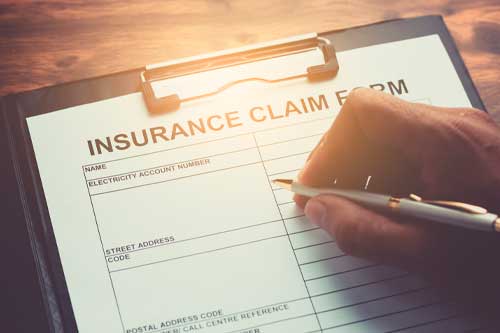 Following major storms, insurance companies often face a large volume of claims. During these periods, disputes become more common.
Quick Settlement Offers
Some insurers offer fast settlements before the full extent of damage is known.
These early offers may fail to account for:
- Hidden structural damage
- Building code upgrades
- Increased labor and material costs
- Additional repairs discovered during reconstruction
Before signing any release, make sure you fully understand the long-term impact of the settlement.
Overreliance on Exclusions
Insurers sometimes rely heavily on exclusions to limit claim payments.
Examples may include:
- Allegations of pre-existing damage
- Claims that damage resulted from flooding rather than wind
- Interpretation of complex policy language designed to reduce coverage
When coverage disputes arise, legal review from a storm damage attorney may help determine whether the insurer’s position is justified.
Delay, Deny, and Underpay Practices
Delays can place significant financial pressure on property owners who need repairs immediately.
When insurers delay, deny, or underpay valid claims, policyholders may face:
- Extended displacement from their homes
- Business interruption losses
- Additional property deterioration
- Increased repair costs
Understanding your rights allows you to respond appropriately if these situations arise.
Steps to Protect Your Claim Before and After a Hurricane
Preparing before the storm can strengthen your position if a claim becomes necessary.
Create a Property Inventory
- Photograph and video every room
- Document valuable belongings
- Save receipts and appraisals
Document Current Conditions
- Photograph your roof, exterior walls, windows, fences, and interior spaces
- Store copies securely in cloud storage
Organize Important Documents
- Keep copies of insurance policies
- Maintain records of prior inspections and repairs
- Know your policy limits and deductibles
Review Your Coverage
Understanding your policy before a loss occurs can help you identify issues before they become disputes. A consultation with a storm damage attorney may help clarify potential coverage concerns before hurricane season begins.
After the Storm
The hours and days immediately following a hurricane can have a major impact on both your safety and your insurance claim. Once the storm has passed and conditions are safe, it’s important to take steps to protect your property, document damage, and preserve your rights under your insurance policy. The actions you take now can help support a smoother claims process and reduce the likelihood of disputes with your insurer later.
Prioritize Safety
Do not enter unsafe structures or attempt dangerous inspections.
Document Damage Immediately
Take extensive photographs and videos before beginning major repairs. Proper documentation often becomes one of the most important pieces of evidence in a claim.
Prevent Further Damage
Make reasonable temporary repairs and keep receipts for all expenses.
Report the Claim Promptly
Notify your insurer as soon as possible and maintain written records of all communications.
Obtain Independent Estimates
Do not rely solely on the insurance company’s evaluation if significant damage is involved.
These steps can help protect your rights and strengthen your claim.
When to Contact Palker Law

You do not need to wait for a denial letter before seeking legal guidance.
Consider contacting Palker Law if:
- You want to better understand your coverage before hurricane season
- You are unsure whether storm damage is covered
- Your insurer is delaying your claim
- Your claim has been denied
- The settlement offer seems inadequate
You believe your insurer is not treating you fairly
Our team can review your policy, evaluate your claim, explain your legal rights, and communicate directly with the insurance company when necessary. In appropriate cases, we can pursue legal action to help recover the benefits available under your policy.
Protect Your Property Before the Next Storm Arrives
Hurricanes are unpredictable, but preparation can put you in a stronger position when severe weather strikes.
Understanding your insurance coverage, documenting your property, and knowing your rights under Texas law can help you avoid costly mistakes and strengthen your claim if damage occurs.
If you have questions about your coverage, need help with a storm damage claim, or believe your insurance company has treated you unfairly, contact Palker Law today. Our team has extensive experience helping Texas homeowners and business owners protect their rights and pursue the compensation they deserve.